
- cross-posted to:
- todayilearned@lemmit.online
Tetrachromacy is real, and does improve the range of colour differentiation in people who have it, but the headline here greatly exaggerates the degree to which that is true.
https://www.youtube.com/watch?v=fDoAs0qN7lU
The title is predicated on the idea that 1 cone = 100; 2 cones = 1002 = 10,000; 3 cones = 1003 = 1,000,000; so having 4 cones = 100,000,000. But this is misleading, because once you have three kinds of cones, any point within the visible range has its own unique response. The 4th cone improves the ability to make fine differentiations (the examples in other comments here are fantastic demonstrations of that), but doesn’t add entirely new colours.
Sort of like how 3 towers are enough to triangulate someone’s location on a map. A 4th tower might make the triangulation go easier, or give you more confidence in your result, but it doesn’t fundamentally alter your understanding.
This is how we found out my mother had it:
Mom: “The colours on this new TV are terrible. Everyone is green.”
Me: “Okay, hold on, let me adjust the tint.”
Mom: “Now they’re too blue.”
Me: adjusts the colour temp
Mom: “Ew, now everyone is too yellow, it’s like the Simpsons.”
Mom: “Well, it’s still not right, but it’s less awful.”
A few years later I found out about Tetrachromacy tests online, and she scored something like 98%.
Maybe she has colour blindness man online tests aren’t reliable does she suffers this outside of screens too
And red/green color blindness isn’t less colors, you get more shades of brown.
Which sounds shitty, but invaluable for hunters.
My dad legitimately didn’t know what other people saw for “red” but he could spot a deer in the middle of the woods like it was neon yellow.
I believe the downside to tetracheomacy is less rods because the extra cones are taking up more space. Which I think translates to really bad night vision.
Cool! I had never heard about this theory for explaining color blindness.
There’s very few things that are a flat negative evolutionarily.
Like sickle cell, in most of the world it’s a significant disease. But if you live somewhere with malaria before modern medicine, then for 99.9999% of human existence, you’d be dead at a young age without sickle cell in those places.
Or how appendix bursting was worth the risk of retaining gut bacteria. Once we got clean water, the adaption of not having an appendix started to spread. Until modern surgery took out the negative evolutionary pressure so humans will be stuck with appendixes for ever now.
Is the difference in the eyes or brain?
It’s a fourth cone in the eyes. Interesting that the brain just rolls with it being present. Something similar was done to give squirrel monkeys the missing cone they need to see red: https://www.nationalgeographic.com/science/article/gene-therapy-gives-full-colour-vision-to-colour-blind-monkeys
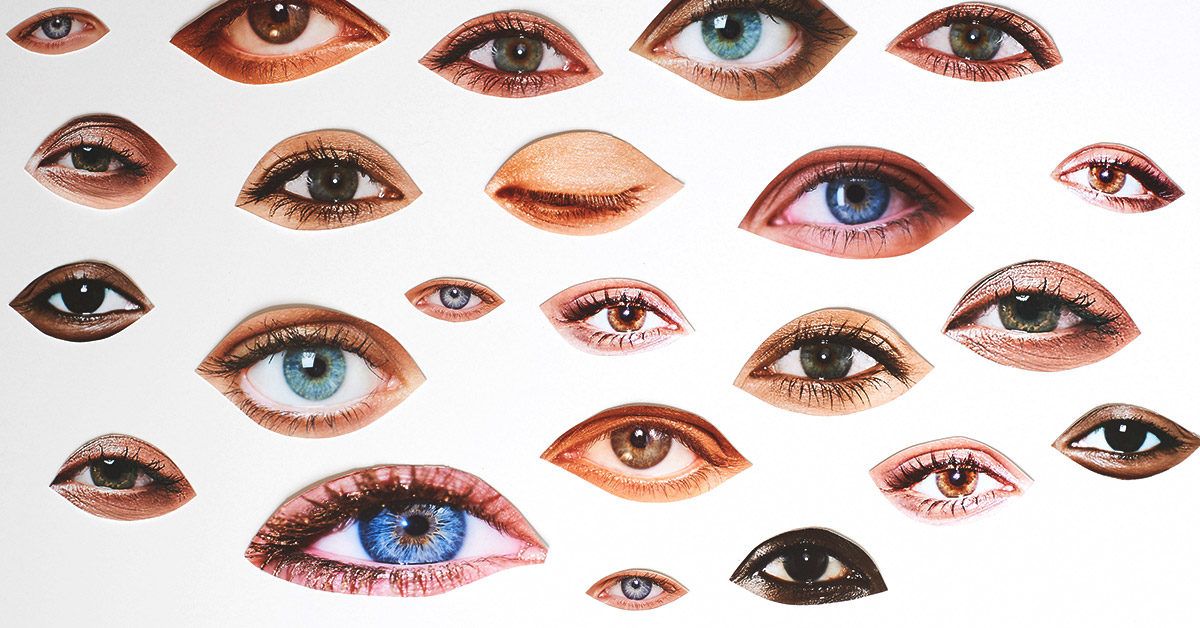
The eyes. Tetrachromats have a 4th kind of cone in the eye.