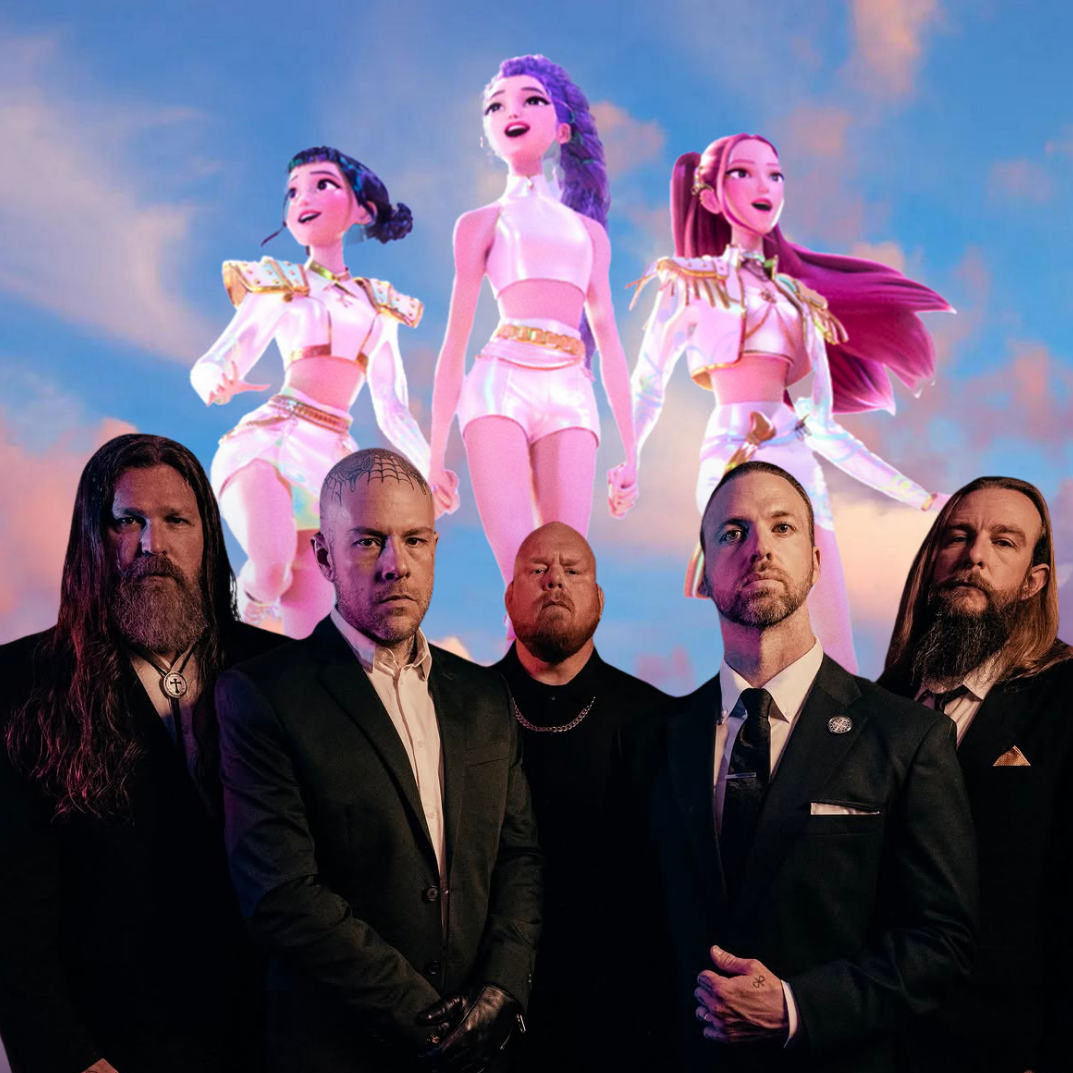
KPop Demon Hunters was a resounding success for Netflix, coming out of nowhere to become the platform’s most-watched movie of all time and spawning several of last year’s biggest pop hits. It was less of a success for Demon Hunter, the Christian metal band that presumably has been getting mogged in the search bar ever…
I don’t see how you could be right on this. It’s not generic and the band has used that mark for decades even if it was unregistered. If you use a brand for commerce that’s your proof you hold that mark. They had it for 25 years. Imo Netflix did cause them harm. I bet they do have a case here.
You keep saying it’s generic, but you clearly don’t understand the term as used with trade marks. Generic means it describes a product. So “Step up” couldn’t be used for a stair company as competitors couldn’t then describe “adding a step up to your front door”, or whatever, without risking infringement.
Genericisation then is when a trade mark becomes used descriptively - dumpster, is a classic example, another is jeep.
“Demon Hunters” would be generic if the business operation was hunting supernatural beasts and a judge determined that to be a real occupation … a singer/songwriter who called themselves “Solo Artist” would be generic.
There’s acquired distinctiveness too, which is why “pianoman” could be a trade mark (I’m not sure if it is, probably still not distinctive enough).


I don’t see how you could be right on this. It’s not generic and the band has used that mark for decades even if it was unregistered. If you use a brand for commerce that’s your proof you hold that mark. They had it for 25 years. Imo Netflix did cause them harm. I bet they do have a case here.
It was probably not registered because it is generic.
You keep saying it’s generic, but you clearly don’t understand the term as used with trade marks. Generic means it describes a product. So “Step up” couldn’t be used for a stair company as competitors couldn’t then describe “adding a step up to your front door”, or whatever, without risking infringement.
Genericisation then is when a trade mark becomes used descriptively - dumpster, is a classic example, another is jeep.
“Demon Hunters” would be generic if the business operation was hunting supernatural beasts and a judge determined that to be a real occupation … a singer/songwriter who called themselves “Solo Artist” would be generic.
There’s acquired distinctiveness too, which is why “pianoman” could be a trade mark (I’m not sure if it is, probably still not distinctive enough).