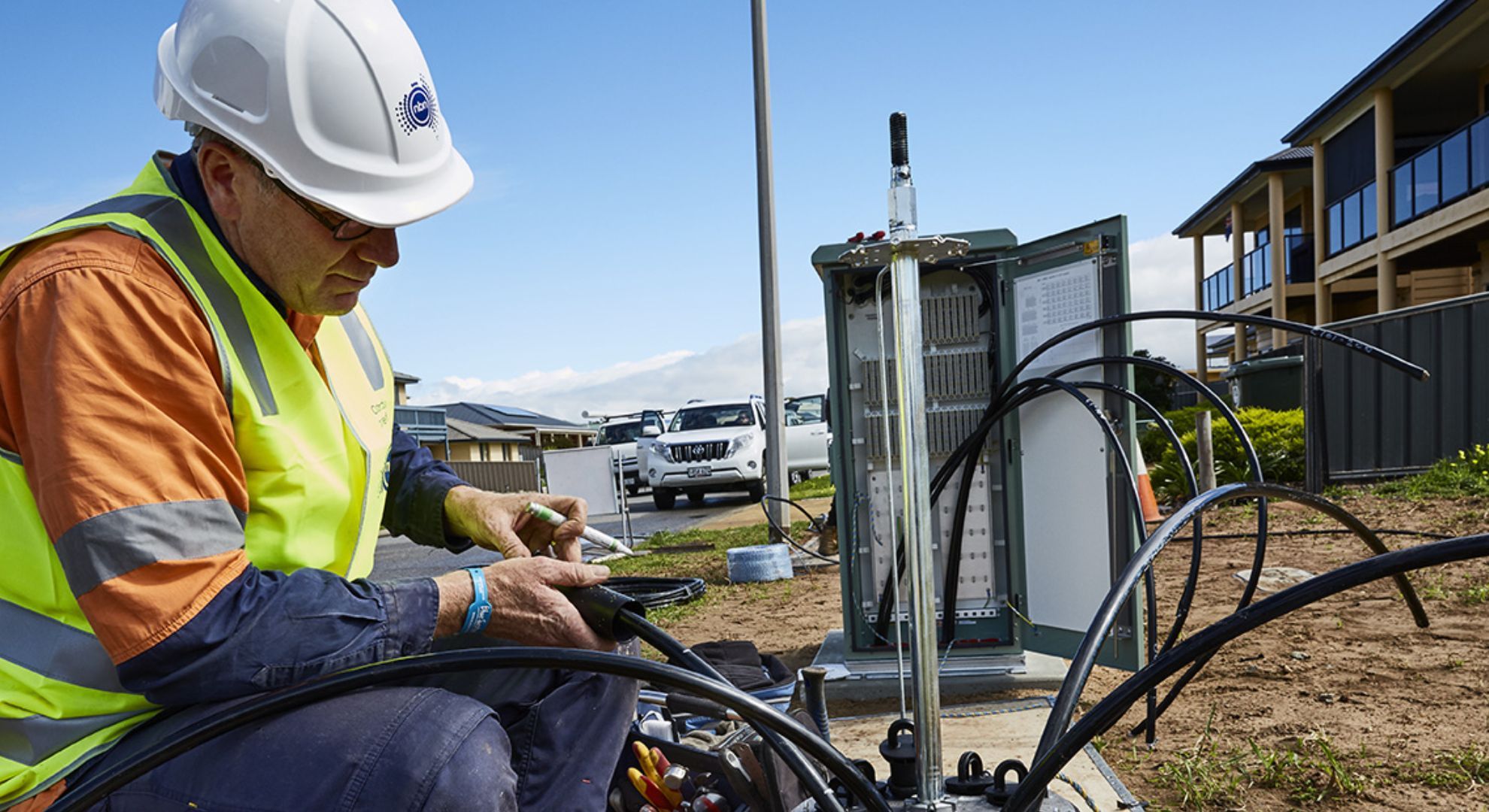
That’s pretty cool, but it isn’t going to help AI data centers get bandwidth faster any time soon. Most fiber in the ground today, especially the kind of long haul fiber being discussed here, isn’t hollow core. Laying new fiber across the country is arguably just as difficult and expensive as building these AI data centers and it’s spread out over very long distances. It costs more than $1/ft to lay relatively cheap fiber in rural areas with no permitting fees and it only gets more expensive from there. Fiber builds between major US cities cost hundreds of millions of dollars.
Additionally, glass based fiber can do these same speeds and even higher today. Granted, this reach is about 40% longer on average at 200 km without a regen, but that doesn’t save network operators as much money as it sounds like it would. Not enough to justify overbuilding their entire network with hollow core fiber, that’s for sure.
Does not needing as many boosters make the cable cheaper to maintain to justify using it for all future expansion?
Kind of but not as much as you might hope. Most of the time when telcos add more capacity to a fiber route they are either pulling more fiber through existing conduit or laying new ones along the same path. Being able to shoot farther is great if you’re building an entirely new route and can plan out your regen locations accordingly but not as helpful if you’re using the same huts on the side of road that were designed for shorter distances. They already have land and/or lease agreements, power, access, and all the other required infrastructure in place using shorter distance calculations. It would be expensive, and probably impossible in many cases, to set up new regen points along their existing routes.
Then there’s the added expense of testing, certifying, stocking, and training people how to use all this new gear, which probably has longer lead times to acquire. Add all that up and a 40% reach boost isn’t quite as enticing. That’s not to say it won’t be done in some cases. I believe some subsea cables use hollow core fiber and added reach in a situation like that is awesome. I just think most of them would rather invest in improving reach on the glass they already have in the ground than going with something like this.
Its probably really useful in places where theres no fiber for 100s of km, like Tibet, Xinjiang, and America.
Hahaha.
“Remote regions of the world that don’t have fibre. Like most of America.”
I feel like the A.I. data centre part of the news article was only put there because everyone is talking about them right now so you have to make everything in the world somehow related to A.I. data centres
And here my ISP keeps jacking up prices 15-20% every six to twelve months, with no increase in speed or reliability what so ever.
Sending is easy, receiving at full fidelity is the interesting part.
Yeah yeah we get it China is amazing
Interestingly enough, the company that made/manufactured the stuff (Devoli) is headquartered in New Zealand.
But what if they get covid!
Install antivirus