

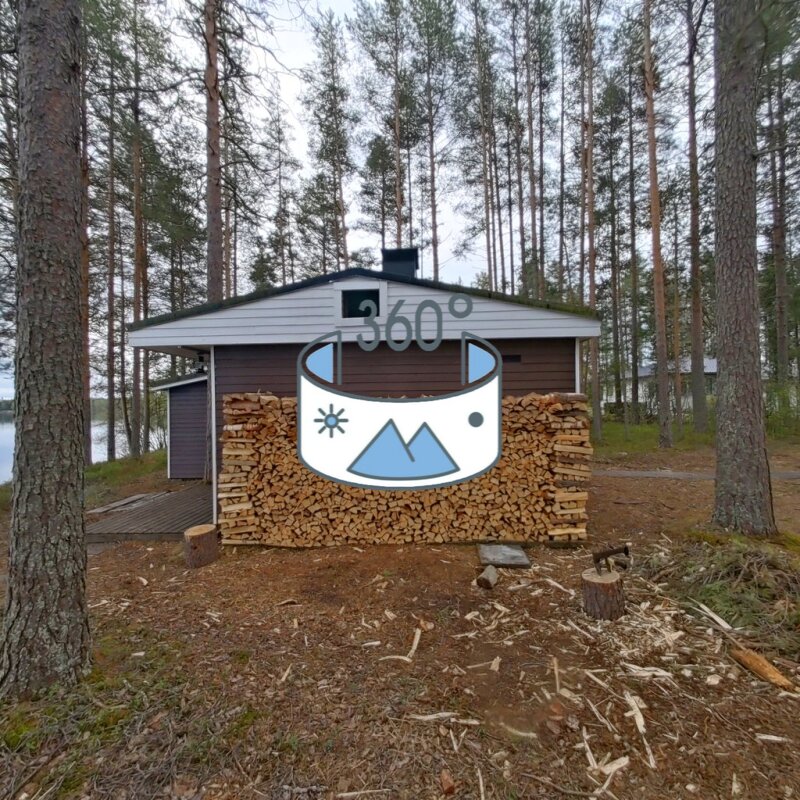
After a nice afternoon splitting wood (yes, this is my idea of a good time exercising 🙂), my main wood stack has grown to a height that I deem barely safe. It’s 6 times as high as it is wide now, and it’s getting quite wobbly.
I’ve run out of space to stack wood the conventional way. But I have so much wood left to split that I really want to try building a Norwegian wood stack next:

The end stacks are self-standing “boxes”, made by stacking logs in a criss-crossing pattern as horizontally, and as regularly as possible by choosing the right logs (and yes, I didn’t do a very good job at that myself 🙂 But they’re good enough)
The end stacks prevent the logs stacked in-between them from rolling off and starting a collapse. The middle logs don’t really put any side pressure on the end stacks, but if any of them starts going, the whole stack goes - as you discovered. The end stacks simply prevent the collapse from starting.
Why dont you use a criss-cross pattern through the hole stack? Wouldnt you be able to stack even higher and wouldnt the ventilation through the stack be better? Thats how i learned to stack wood but im happy to relearn ☺️
Because finding logs with the right length and girth that create criss-crossing “planes” that stay flat and contact the plane underneath as flat and wide as possible, so the resulting tower isn’t wobbly and “grows” straight, is a pain in the butt. It’s annoying enough that I often take the time to shape the logs with a hatchet so they lay flat and stable.
Thanks a lot for the explanation! I’m definitely going to give it a try.