

24·
23 days agoTIL that German „Blockflöte“ (literal translation „woodblock flute“) is recorder in English. A noun I normally connect to cassette recorder or record something.
TIL that German „Blockflöte“ (literal translation „woodblock flute“) is recorder in English. A noun I normally connect to cassette recorder or record something.

I’ll leave this idea here: https://www.drewlyton.com/story/the-future-is-not-self-hosted/

I thought it was my turn now.
Edit: very cool project. I didn’t understand half of what he describes, but being able to pull this off is impressive.

Nextcloud has a similar file storage like SharePoint/OneDrive minus the content types and taxonomy trees, but I doubt you need those. If you use Only Office as online Office App in Nextcloud, you have a comparable UI to Microsoft and it uses Office Open XML (docx, pptx, xlsx) as standard file system.
I don’t know what a paid hosting for your team would cost, but it could be worth it.
Who the hell brings a war zone to a kitten?
😒
I would love to see that legal battle.
And obviously, if you want to do something serious, you have to carry a keyboard with you.
A minimal setup would be:
You configure your VPS to be able to access it via ssh, login, install a Webserver like nginx, Apache or others, configure the server to point requests to your IP or domain to a local directory on your server (e.g. /var/www/yoursite on Linux), write some hello world html file, copy that file via scp to /var/www/yoursite, voilá – you just created a (very simple) website.
If you want a little more bling bling you could use a static site generator. See https://jamstack.org/generators/
With a SSG you would initialize your site on your local machine, write some markdown and put in in your site generators folder structure and run the command to create the html files from the markdown. The output is normally a specific folder you could then copy to your server, as mentioned above. Or you could set up git on your server and use git commit and git push to push changes to your server. This is what you had in mind.
I find it easier to just use a graphical client software like Cyberduck to drag and drop the whole static site generator output to my server.
I think this is not possible to configure just with yunohosting standard tools. My guess would be you would not need yunohost to do so. I have a blog made with a static site generator and I just push the whole output to a directory under /var/www. Plus there is an nginx running as Webserver and to redirect traffic to subdomains.
What do you miss?
I think time efficiency and stability are the two traits I am looking for. Looks like yunohost can offer those.
Nice! I live in Germany and your situation looks similar to mine. I started with Linux 20 years ago and bought a Synology about a year ago. I have my most essential services (backup, photos, Media server and paperless) running on that machine in my local network. I started with a small VPS and a blog after this, to see if I could handle managing a server. It went well.
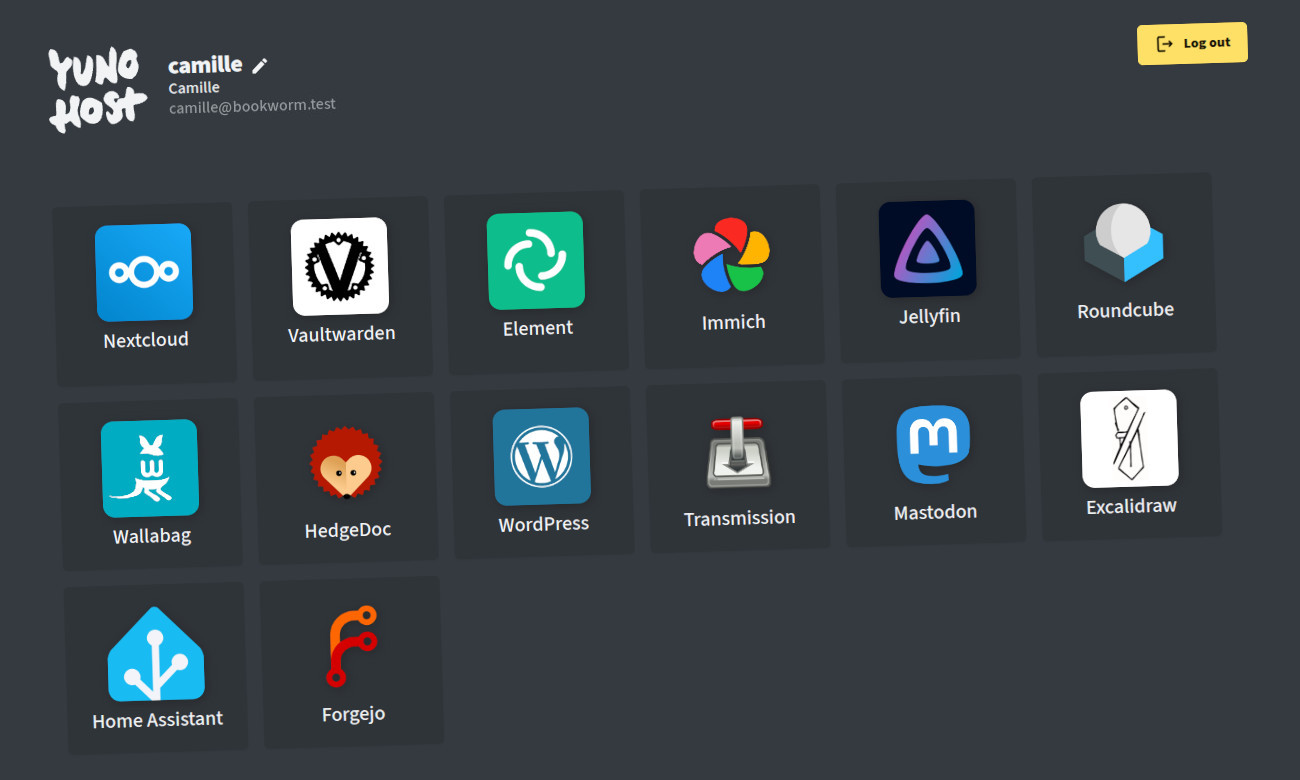
We have a small cabin we share with others and I wanted to set up some basic services like a calendar. Went across a post about yunohost and gave it a try.

I translated from German „Kassettenrekorder“ which is tape deck in English, I guess.